Blue Lagoon & Comino, without the crowd
The colour is not a filter. Neither is the crowd. Go — but go at an hour most people will not, and know what the island does and does not have.
Some links below are affiliate links. If you book through one, you pay exactly the same and this site earns a commission. It does not change what gets recommended — the ranking here is the same one I give friends who visit. Full disclosure.
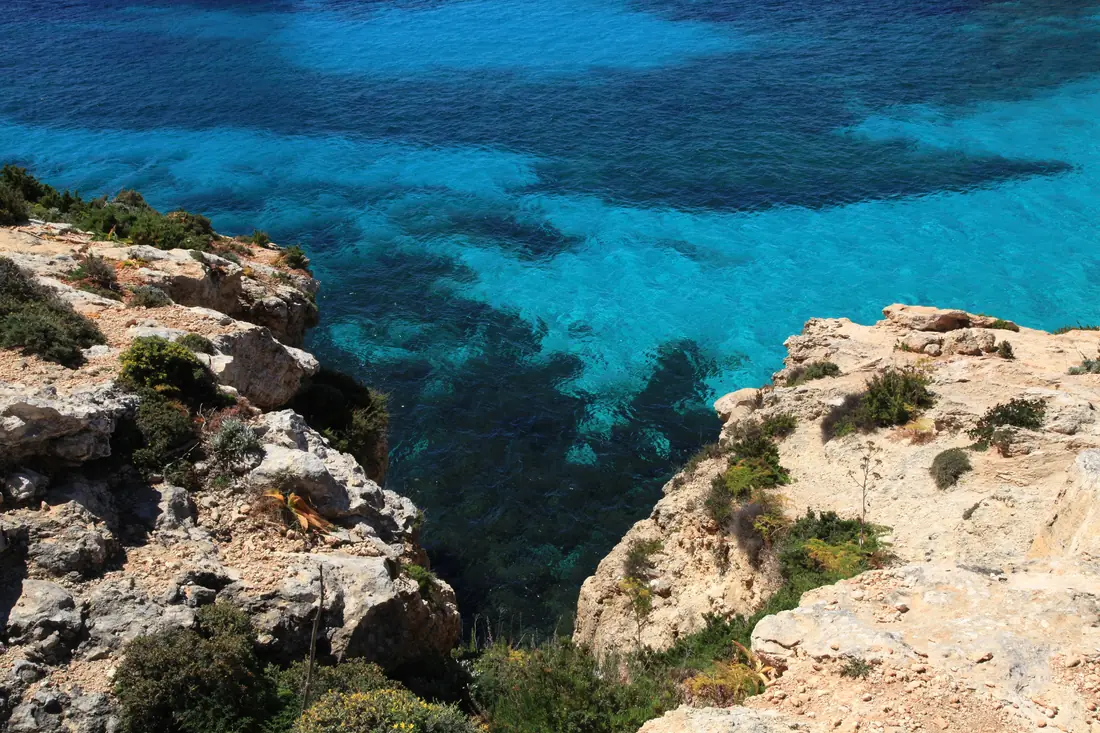
The Blue Lagoon is a narrow channel of water between Comino and the uninhabited islet of Cominotto, and the colour of it is not a filter. It really is that turquoise, because the bottom is pale sand and limestone and the water above it is shallow and absurdly clear. It is also, between ten in the morning and three in the afternoon in July and August, one of the most crowded pieces of water in the Mediterranean.
Both facts have to sit in the same paragraph, because almost every article about this place mentions only the first one. Go — it is worth it. Just go at an hour that most people will not.
1. What Comino actually is
Comino is a small, largely empty island between Malta and Gozo with a permanent population you could count on two hands. There is no town, no road network and, for practical purposes, no shade. The Blue Lagoon sits on its western side; a handful of kiosks sell food and drink in season, and there are basic facilities, but this is not a resort. What you get is the water, a hillside of scrub, a seventeenth-century watchtower on the cliff and a couple of quieter bays on the far side.
Two things follow from that. First, you are exposed for the entire visit: sun cover, water and something on your feet are not optional, because the entry to the water is over rock. Second, the island has a finite capacity and in peak summer it exceeds it, which is why access has been progressively regulated in recent years — fewer commercial deckchairs, tighter control of the kiosks and the vendors. It is meaningfully better than it was, and still busy.
2. The only part of this that really matters: when you go
| Window | What it is like |
|---|---|
| Before 10:00 | The reason to set an alarm. Near-empty water, flat light on the channel, and you can actually see the sand. The first ferries from Ċirkewwa are the cheapest way to be here for it. |
| 10:00–15:00, June to September | Peak. Boats moored across the channel, swimmers in every direction, queues for everything. Avoid if you have any choice. |
| After 16:00 | My preference. The day-trip boats leave, the light goes gold, the water warms up and the place becomes recognisable as the photograph again. Check the last return crossing carefully before you commit to this. |
| May, early June, late September, October | The sweet spot for the whole trip. The sea is still swimmable well into October and the crowd is a fraction of August’s. |
| November to April | Few or no scheduled crossings, and the ones that run are weather-dependent. Comino in winter is a walking island, not a swimming one — and rather wonderful for it. |
The difference between a bad Blue Lagoon day and a great one is not the boat you take. It is the hour you take it.Every local will tell you the same thing
3. The four ways to get there
The direct ferry from Ċirkewwa
Small operators run a shuttle from Ċirkewwa, at Malta’s northern tip, and the crossing is short — a matter of minutes. This is the cheapest option, it gives you complete control over your timings, and it is what I would choose. Buy the ticket at the quay, keep the return stub, and check the last sailing before you swim. Getting to Ċirkewwa itself is a bus ride or a drive north; there is a large car park.
A day trip from Sliema or Buġibba
Bigger boats run full-day cruises from the harbour towns, typically taking in the Blue Lagoon, Crystal Lagoon and the caves around Comino, sometimes with a stop off Gozo. You are paying for the cruise as much as the destination: several hours on the water, commentary, a bar, and no logistics to organise. The catch is that these boats arrive and leave inside the busiest window by design, and you are on their clock, not yours.
A small-group or private charter
The premium option, and the one that solves the crowd problem properly: a smaller boat, a schedule you can influence, and access to the caves and the quieter anchorages that the big boats skip. Worth splitting between four to eight people, at which point the per-head price stops being absurd.
Kayak, or from Gozo
Strong swimmers and paddlers do cross from Gozo’s southern coast; the channel has real current and boat traffic, and this is not a casual undertaking. There are also crossings from Mġarr on Gozo, useful if you are staying there.
Comino and Blue Lagoon boat trips
The trips worth booking ahead are the early departures and the small-group charters — the two categories that sell out, and the two that solve the crowding. Most listings allow free cancellation up to twenty-four hours before, so reserving early costs nothing and protects you if the forecast turns; crossings are cancelled in strong northerly winds, which is a normal Maltese occurrence.
See Comino boat trips Affiliate link — same price as booking direct. If you want the cheapest possible crossing, take the shuttle from Ċirkewwa and buy at the quay.4. Walk ten minutes and lose the crowd
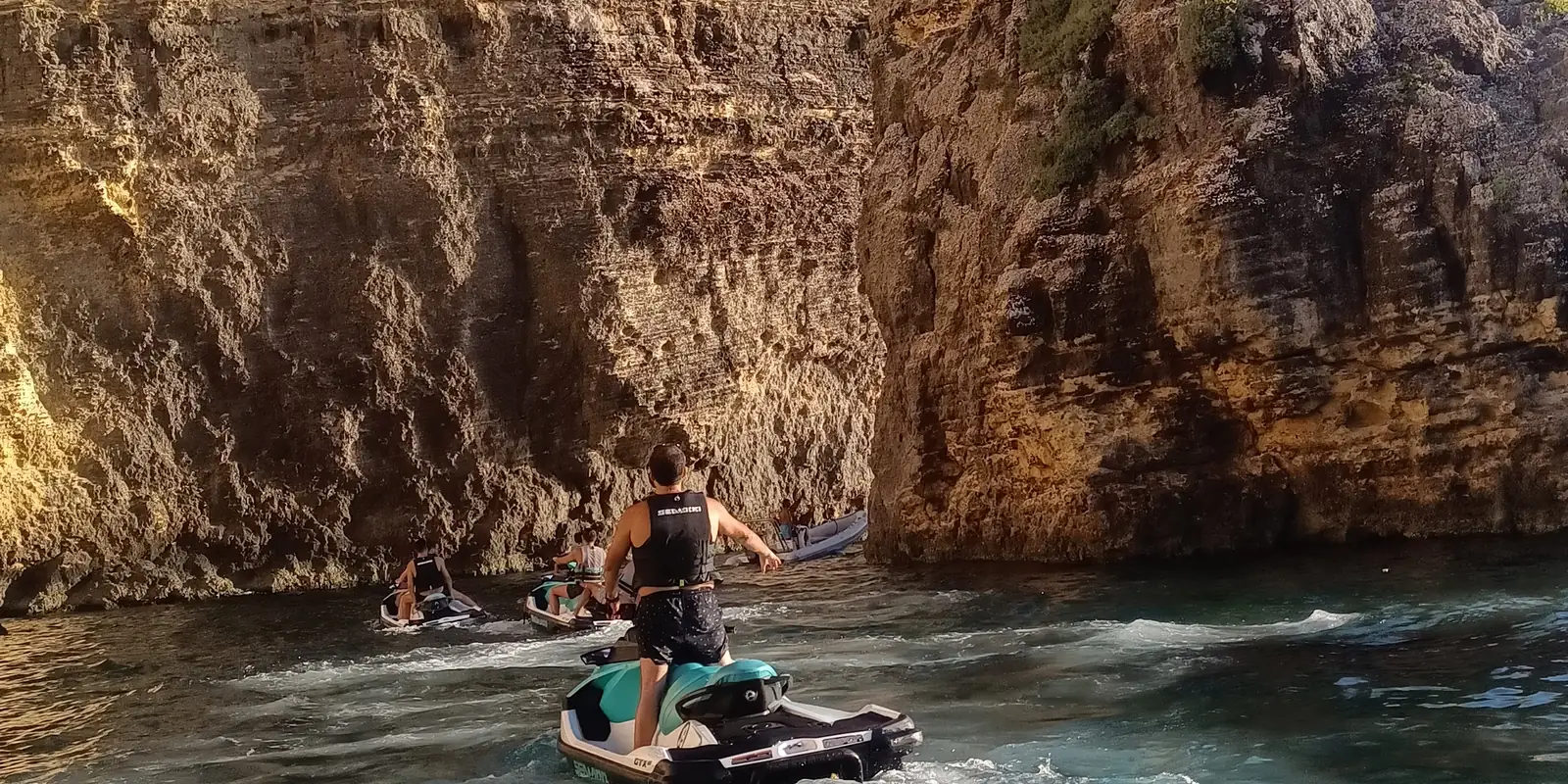
Almost everyone who lands on Comino stays within two hundred metres of the jetty. The island is bigger than that.
- Santa Marija Bay, on the north side, is a genuine little beach with tamarisk trees — which means shade, the rarest commodity on the island. Fifteen minutes on foot.
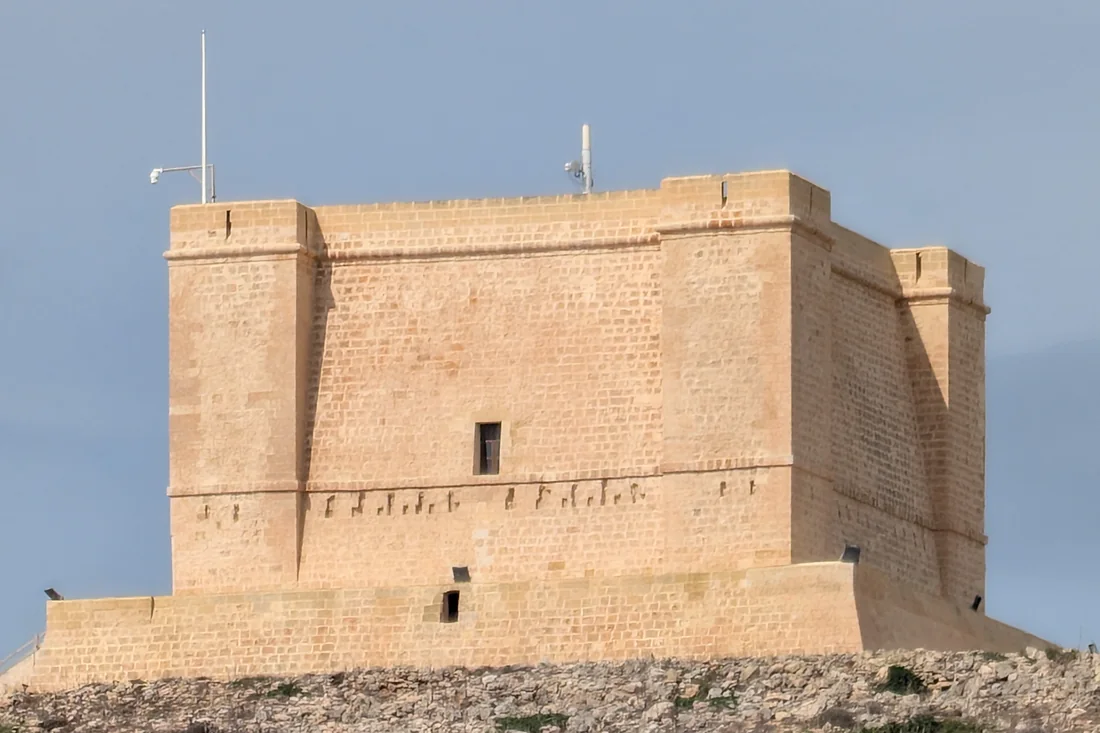
- Saint Mary’s Tower, the square watchtower you can see from the sea, sits on the southern cliffs with a view down the channel towards Malta. Steady uphill walk, no shelter, take water.
- The Crystal Lagoon, deeper and darker than its famous neighbour, is reachable by boat rather than on foot and is where the small charters go.
5. What to bring, specifically
- Water shoes or old trainers. Entry is over rock, and there are sea urchins.
- More water than you think, and sun cover you can wear in the sea. There is no shade at the lagoon and the kiosk queues are long.
- Cash. Card acceptance at the kiosks is patchy.
- A dry bag if you are on a small boat, and nothing you would mind losing.
- Your rubbish, back on the boat with you. The island has no meaningful waste infrastructure and every visitor’s bag is carried off by someone.
6. The honest verdict
The Blue Lagoon is the most beautiful water in the Maltese islands and the least pleasant place in them to spend a midsummer midday. Take the first boat or the late-afternoon one, walk over to Santa Marija Bay when the channel fills, bring your own lunch, and it will be one of the days you remember. Arrive at eleven in August with no plan and you will spend forty euro to stand in a queue in the sun.